• Coal Quality Ethylene Glycol
  • video

Coal Quality Ethylene Glycol

  • Yulin Chemical, Guoneng Shenhua, Shaanxi Weihua, Shaanxi Yanchang
  • Qingzhou, China
  • July 16, 2025
  • 120,000 tons
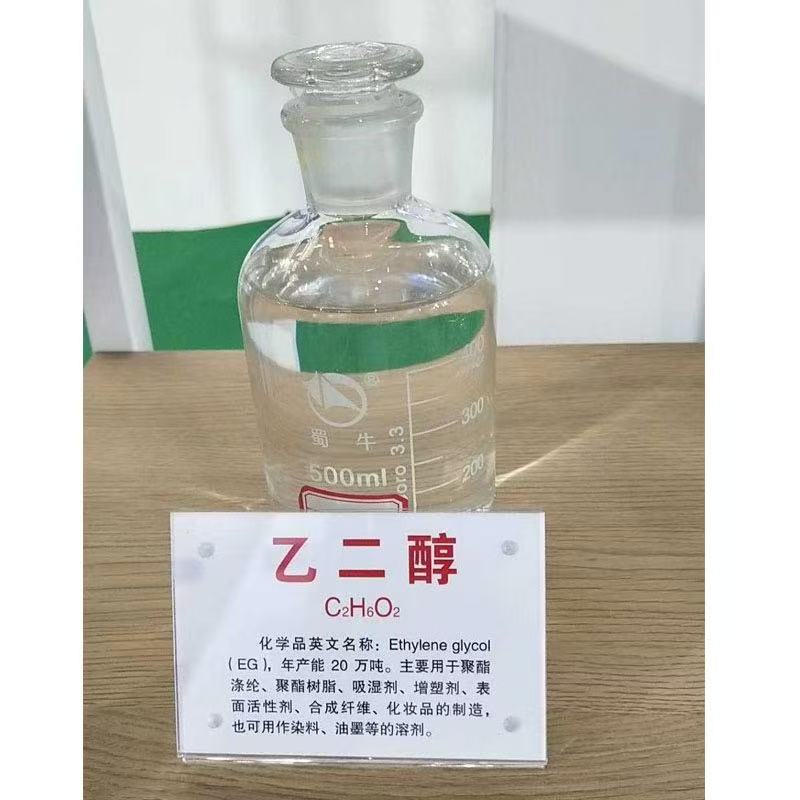
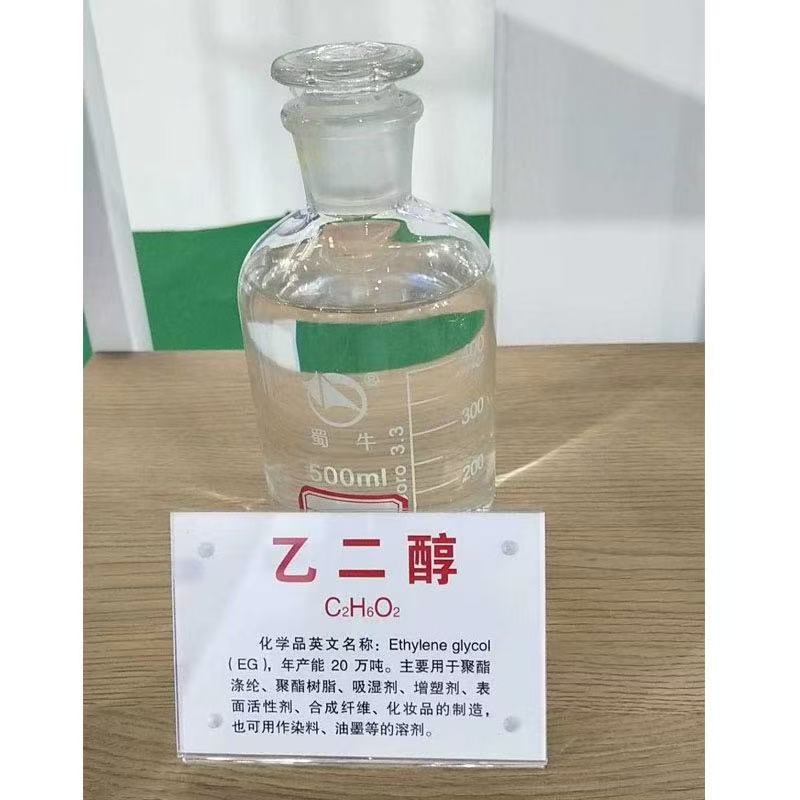
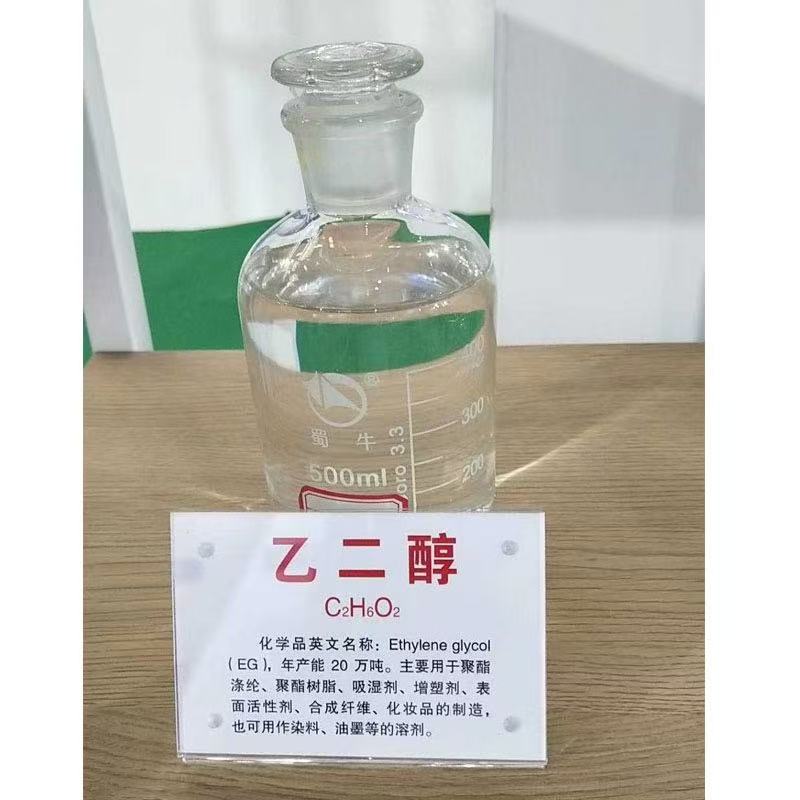
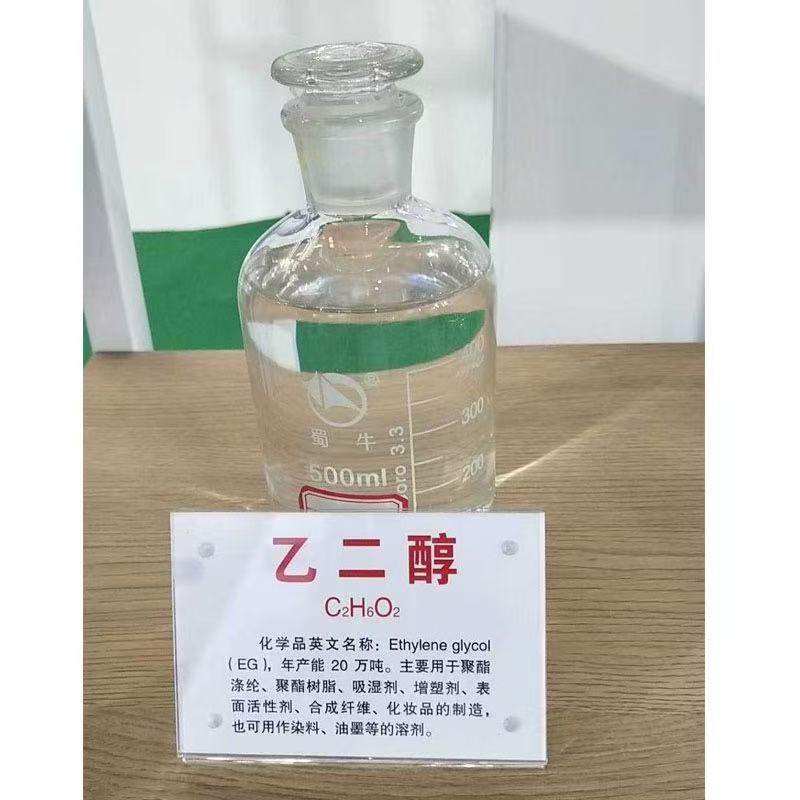
Ethylene glycol is an important chemical raw material, and its main properties are as follows: Physical properties • Appearance: colorless, odorless, sweet transparent liquid. • Boiling point: about 197.3℃ (under standard atmospheric pressure). • Melting point: about -12.9℃. • Solubility: miscible with various polar solvents such as water, ethanol, acetone in any proportion, slightly soluble in ether, insoluble in non-polar solvents such as petroleum ether. • Density: about 1.113 g/cm³ (at 20℃). Chemical properties • Stability: stable under normal conditions, but can undergo dehydration, oxidation and other reactions when heated. • Reactivity: ◦ It has the general properties of alcohols and can undergo esterification, etherification, oxidation, dehydration and other reactions. ◦ It can react with dibasic acids to produce polyester, which is a key raw material for the production of polyester fibers (such as polyester) and polyester resins. ◦ It is hygroscopic, toxic to animals, and can cause kidney damage if ingested. These properties make it widely used in many fields such as chemicals, textiles, and automobiles, such as in the production of antifreeze, polyester products, lubricants, etc.
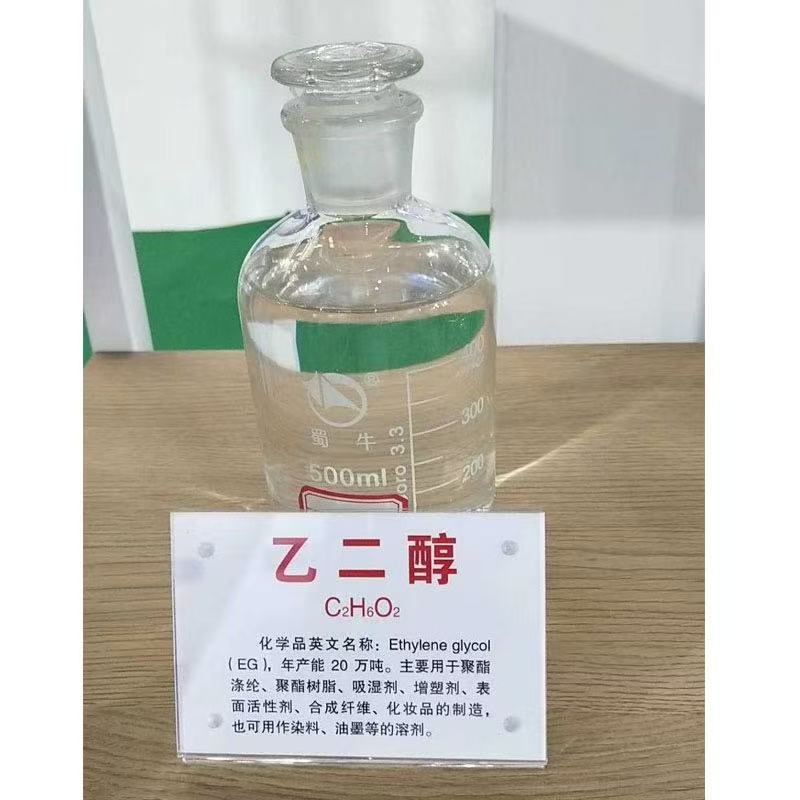
Ethylene glycol is an important chemical raw material, and its main properties are as follows:


Physical properties


• Appearance: colorless, odorless, sweet transparent liquid.


• Boiling point: about 197.3℃ (under standard atmospheric pressure).


• Melting point: about -12.9℃.


• Solubility: miscible with various polar solvents such as water, ethanol, acetone in any proportion, slightly soluble in ether, insoluble in non-polar solvents such as petroleum ether.


• Density: about 1.113 g/cm³ (at 20℃).


Chemical properties


• Stability: stable under normal conditions, but can undergo dehydration, oxidation and other reactions when heated.


• Reactivity:


◦ It has the general properties of alcohols and can undergo esterification, etherification, oxidation, dehydration and other reactions.


◦ It can react with dibasic acids to produce polyester, which is a key raw material for the production of polyester fibers (such as polyester) and polyester resins.


◦ It is hygroscopic, toxic to animals, and can cause kidney damage if ingested.


These properties make it widely used in many fields such as chemicals, textiles, and automobiles, such as in the production of antifreeze, polyester products, lubricants, etc.


Related Products

Get the latest price? We will reply as soon as possible (within 12 hours)