
Liquid Polyol
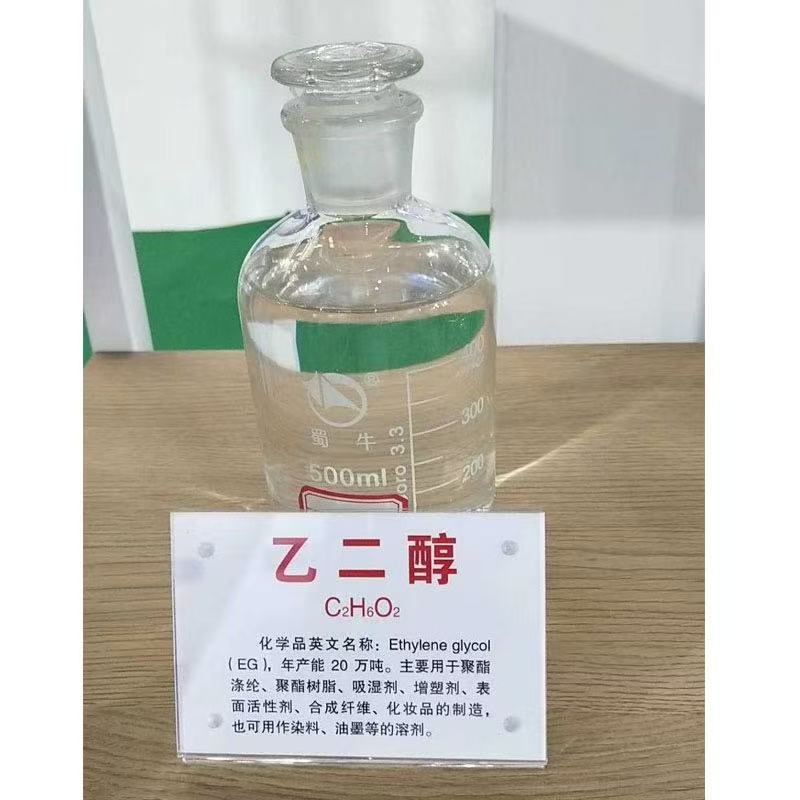
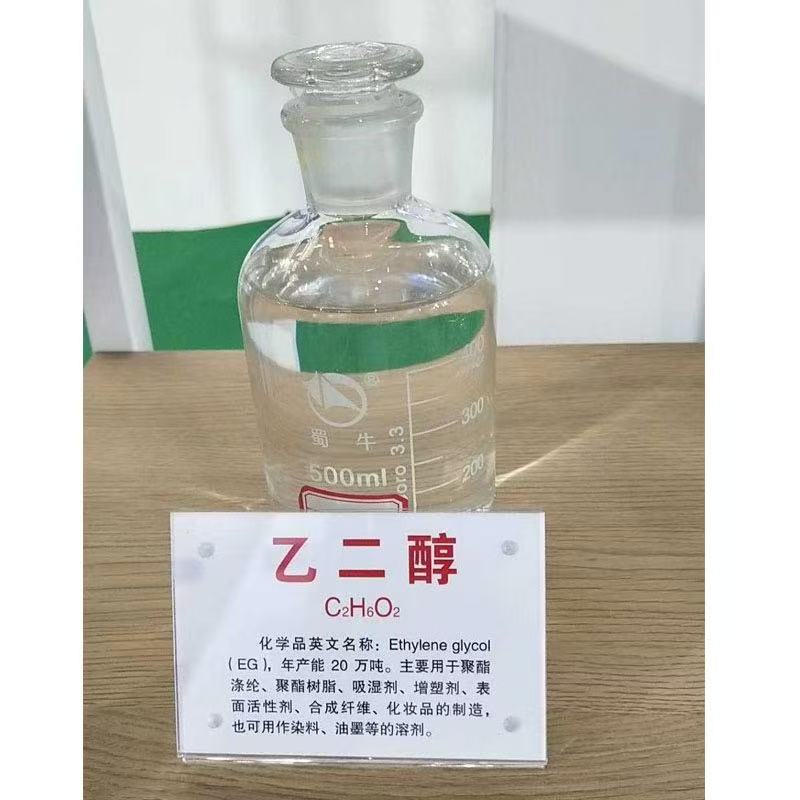
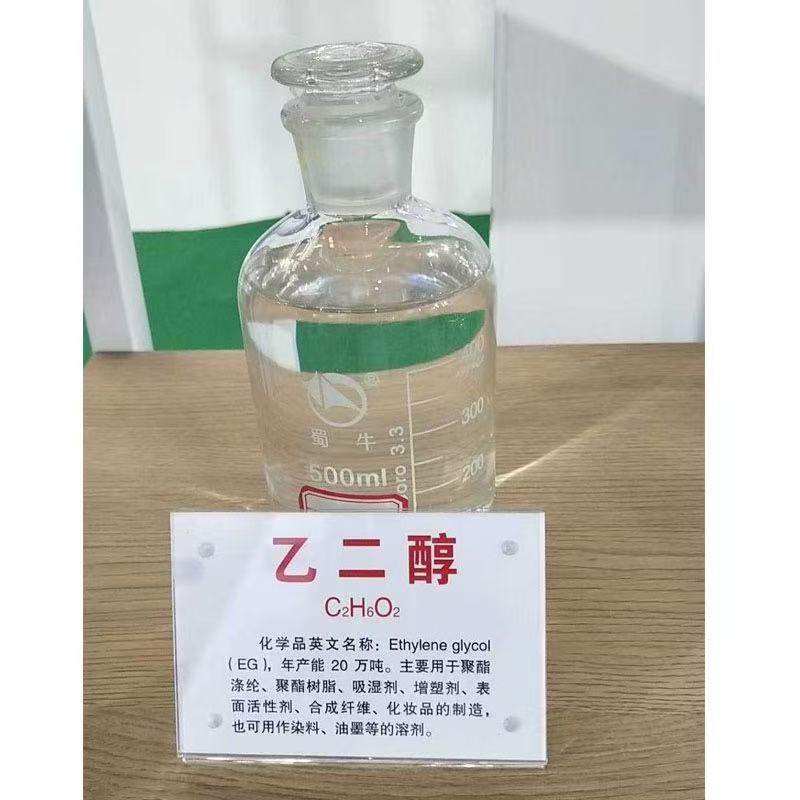
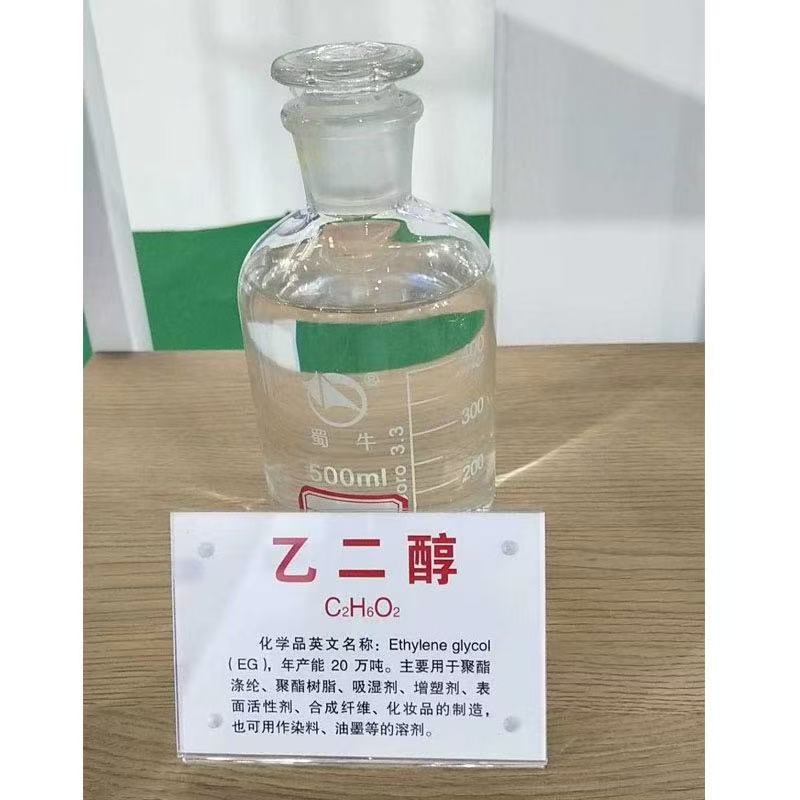
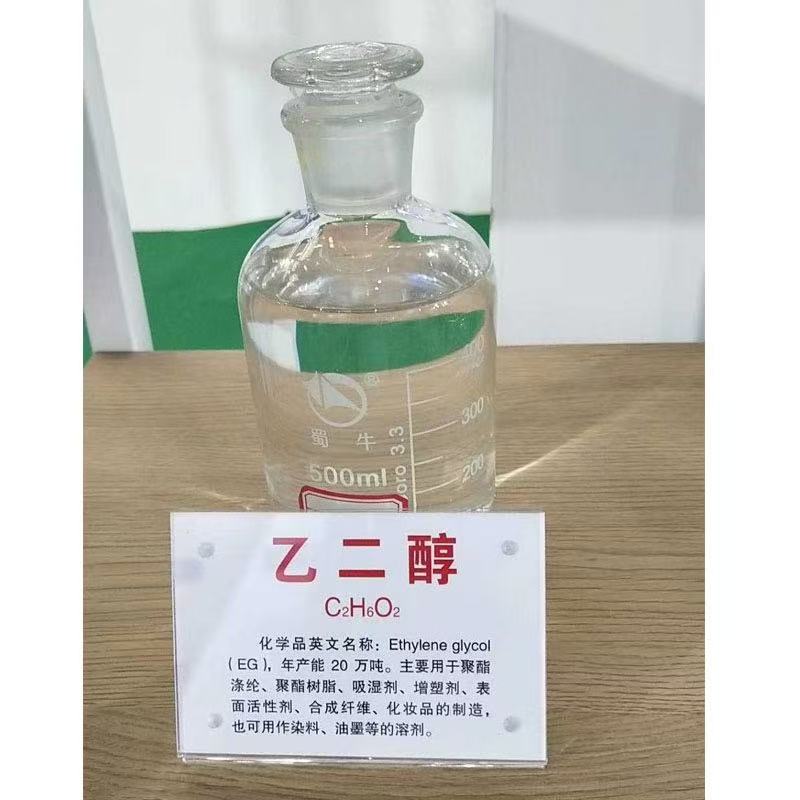
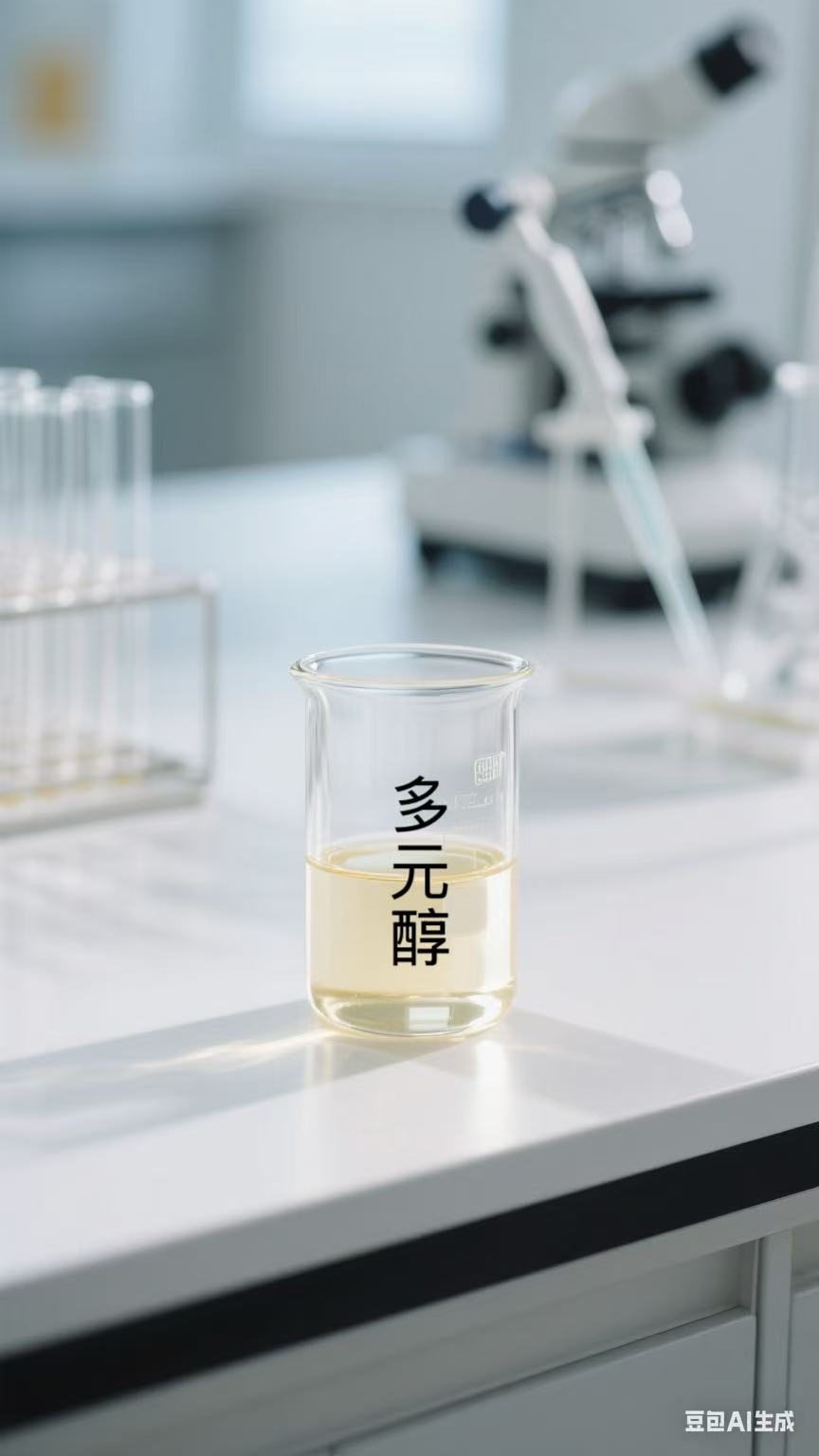
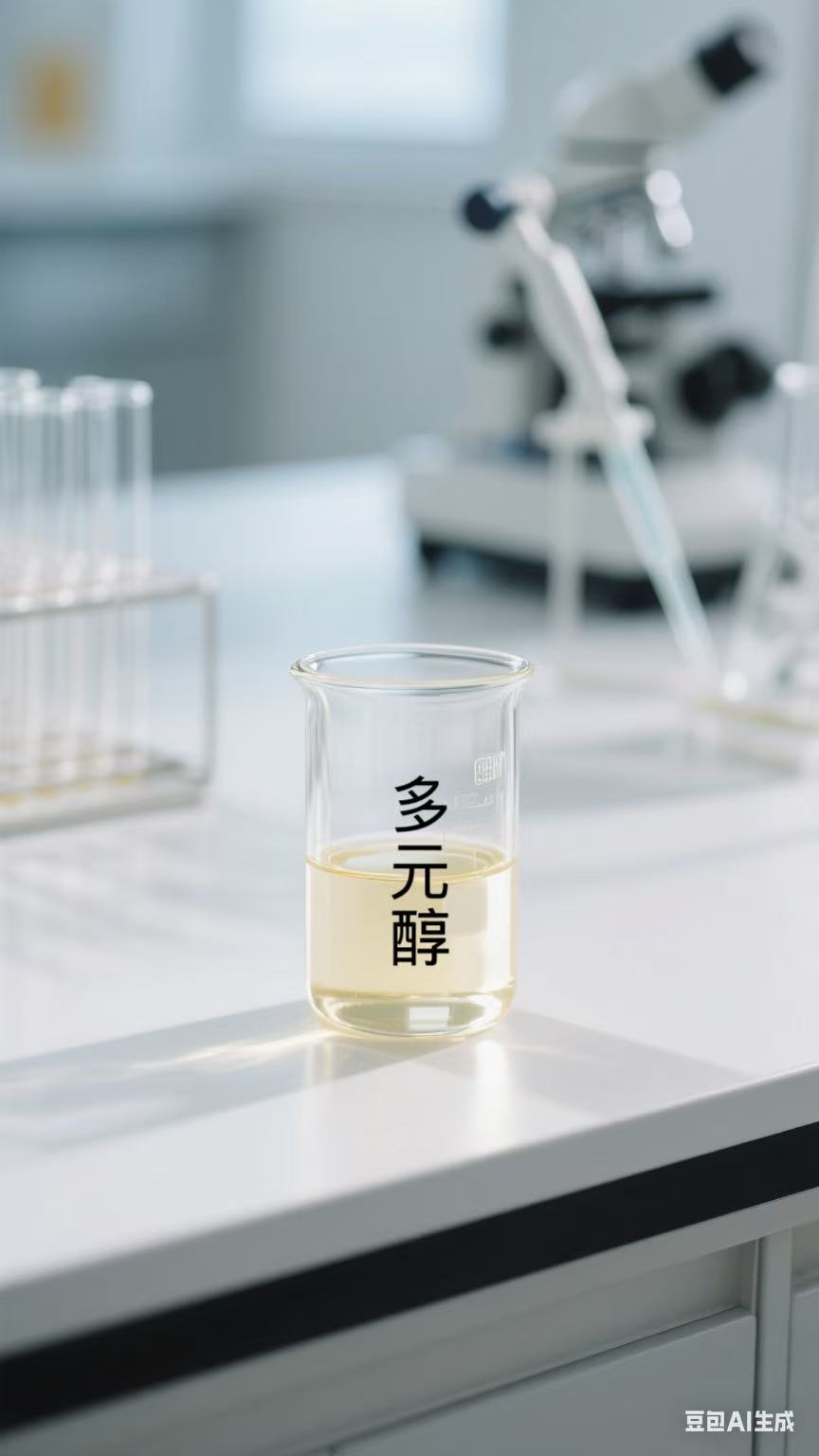
As an important chemical raw material, the core properties of polyols can be summarized as follows: I. Basic characteristics • Definition: Alcohols with 2 or more hydroxyl groups (-OH) in the molecule. Hydroxyl groups are the key groups that determine their properties. • Typical representatives: ethylene glycol (dibasic), glycerol (tribasic), pentaerythritol (tetrabasic), sorbitol (hexabasic), etc. II. Physical properties • Form: Most are colorless, transparent, viscous liquids (such as ethylene glycol, glycerol) or white solids (such as pentaerythritol). The more hydroxyl groups there are, the stronger the intermolecular hydrogen bonds are, the higher the viscosity, melting point/boiling point (such as glycerol boiling point 290℃, much higher than monohydric alcohol). • Solubility: Strong hydrophilicity, easily soluble in polar solvents such as water and ethanol, and difficult to dissolve in non-polar solvents such as petroleum ether and benzene (the more hydroxyl groups, the better the water solubility). • Stability: Stable chemical properties at room temperature, not easy to volatilize, and durable in storage. 3. Chemical properties • General properties: It has typical reactions of alcohols, such as esterification with organic/inorganic acids (generating esters, such as triglycerides), dehydration at high temperature (generating ethers or olefins), and oxidation to aldehydes/ketones/carboxylic acids. • Characteristics: Polyhydroxyl groups can form stable complexes with metal ions (such as Cu²⁺) (such as glycerol reacting with freshly prepared Cu(OH)₂ to generate a blue solution); polyols with symmetrical structures (such as pentaerythritol) are more acid- and alkali-resistant and have stronger antioxidant properties. 4. Core uses • Chemical synthesis: production of polyester (polyester raw materials), polyurethane (foam, coatings), surfactants, plasticizers, etc. • Food/medicine: glycerol as a humectant and sweetener; propylene glycol as a food additive and drug solvent (non-toxic and safe). • Daily chemicals/materials: sorbitol is used for moisturizing cosmetics; pentaerythritol is used for coatings, explosives, and resin synthesis. V. Safety Most polyols have low toxicity (such as glycerol and propylene glycol) and can be directly used in food and medicine; a few diols (such as ethylene glycol) are nephrotoxic and should be avoided from contact with food/medicine. Polyols are a "bridge material" connecting basic chemicals and fine chemicals because they are both hydrophilic and reactive. They are irreplaceable in materials, light industry, medicine and other fields.
